Q&A with Marine Science Prof Kim Albins
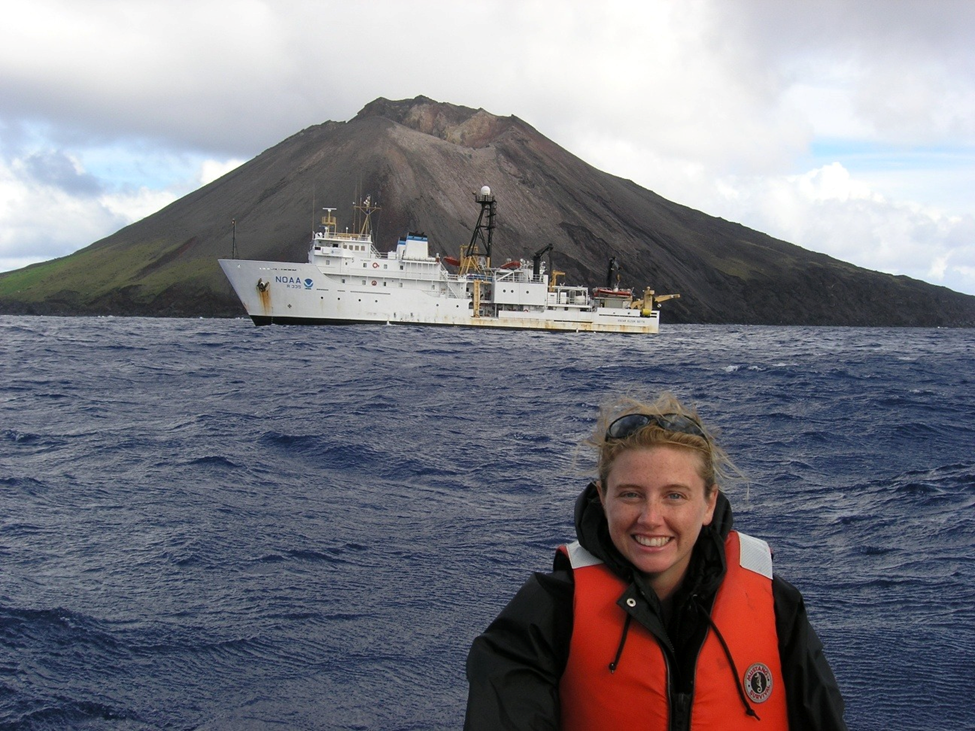
MOBILE, Ala. – Growing up on the Gulf Coast, Kim Albins knew the ocean would shape her future.
“I have always loved the ocean and the beach. Each year, my family would go on a beach trip to Gulf Shores or Orange
Beach. After a field trip to the Dauphin Island Sea Lab at age 10, I decided that a career where I could live near and study the ocean was what I wanted to do,” said Albins.
What began as a childhood field trip evolved into a career that took her from scuba diving on coral reefs in Hawaii to leading research along the Oregon Coast before returning home to Mobile, Alabama.
Now as assistant professor and coordinator of the marine science program at the University of Mobile, Albins uses her passion to mentor and guide the next generation of marine scientists, inspiring them to explore and protect the oceans she loves.
Q: How did you turn your love of the ocean into a career?
A: I hold a bachelor’s degree in marine science from the University of Hawaii at Hilo and completed a master’s degree from the University of Hawaii at Manoa, where I researched algal communities in remote coral reefs throughout the Pacific with the National Oceanic and Atmospheric Administration (NOAA). After completing my master’s, I led a physical oceanographic monitoring project off the Oregon Coast for five years.
In 2012, I returned home to the Gulf Coast and worked as the Gulf of Mexico regional coordinator for NOAA’s Marine Debris Division until 2016. I rejoined NOAA’s Office of Response and Restoration as their training coordinator from 2018 to 2023. I started as a professor at UM in fall 2023.
Q: What makes UM’s Marine Science program so attractive to students?
A: The University of Mobile campus is located in one of the most diverse ecosystems in the United States, which provides opportunities for students to participate in research firsthand. As a member of the Marine Environmental Sciences Consortium, we have access to the resources at the Dauphin Island Sea Lab. Our small size and Christian mission allow professors to really know our students, and we are deeply committed to our students’ success. If you love the ocean and want to study marine science at a Christ-centered university, look no further. We have a place for you.
Q: What are some real-world experiences your students have?
A: Marine science
is best learned in the field. I take students to nearby Chickasaw Creek, to the National Estuarine Research Reserves (NERRs), snorkeling and on a research cruise aboard the RV Discovery at the Dauphin Island Sea Lab. My goal is for students to get wet and learn through experience about how data is collected and why understanding marine processes is important.
Q: What role does faith play in your teaching?
A: Recently, after midterms, I sensed that students, many of whom were student-athletes, were exhausted and feeling down. It dawned on me that these students were always graded. They are graded in the classroom and in their sports, for successes or failures. I felt such a deep compassion for them.
I told them that
they were more than their grade and more than their success on the field. Each is a child of the Most High God, and beautiful and perfect. It was a special moment for me. I feel so honored to be able to share God’s love with these students.
If I can make a small difference in one of their lives, I feel so blessed and lucky. I really hope to build a community of students who are passionate about caring for God’s creation.
Q: Can you share a story of a challenge you faced in your career and how you overcame it?
A: When I was working for NOAA as the lead of our benthic team on a coral reef assessment and monitoring research cruise, an incident occurred that could have been very dangerous. I was scuba diving in the remote islands of the Commonwealth of Northern Mariana Islands, and I heard — or maybe even felt — a deep rumble. The Marianas Islands are known for volcanic activity.
I stopped what I was working on and looked around. As the lead of our benthic team, I noticed my colleagues were to
o focused on their work to see the danger. I saw that a wall of sediment was heading our way. I immediately began alerting the other scientists underwater of the wall of murky water headed our way and started picking up all of our tools. All five of the benthic team divers made it to the safety stop before our visibility went from 100 feet to zero feet.
While this was just one instance, it taught me an important lesson: always remain aware of your surroundings and ensure the safety of your colleagues.
About the University of Mobile
The University of Mobile is a Christ-centered university pursuing excellence “For Christ & His Kingdom.” With a vision to “Multiply Kingdom Leaders for the Glory of God and the Good of the World,” the university honors God by equipping students for their future professions in an environment where they are known.
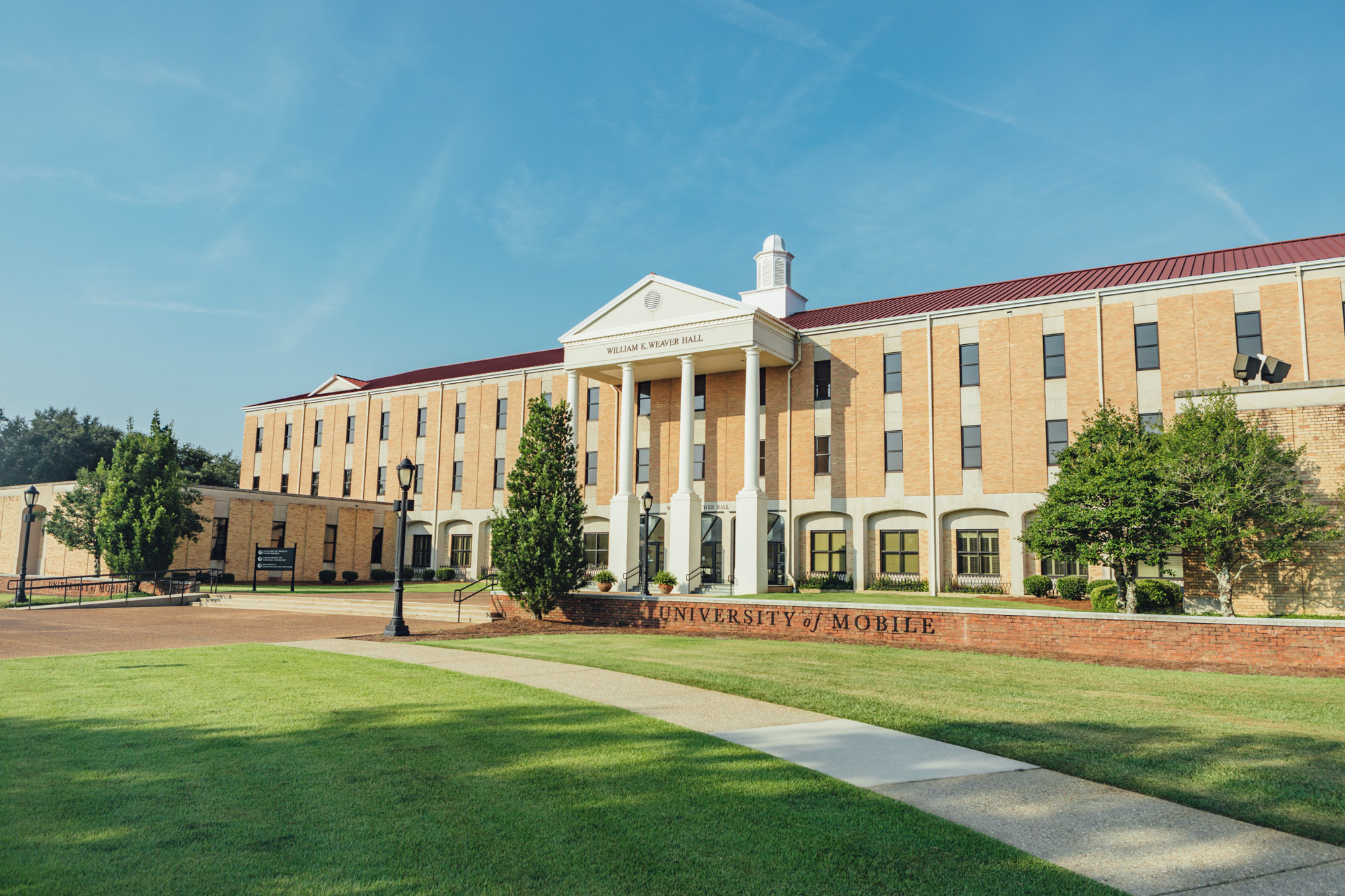
The university was founded in 1961 and is affiliated with the Alabama Baptist State Convention. Located 10 miles north of Mobile, Alabama, on a campus of over 880 acres, UM offers associate, bachelor’s, master’s and doctoral degrees in over 75 academic programs. Learn more at umobile.edu/um-info and connect with UM on social media @univofmobile, or call Enrollment Services at 1.800.WIN.RAMS or 251.442.2222.
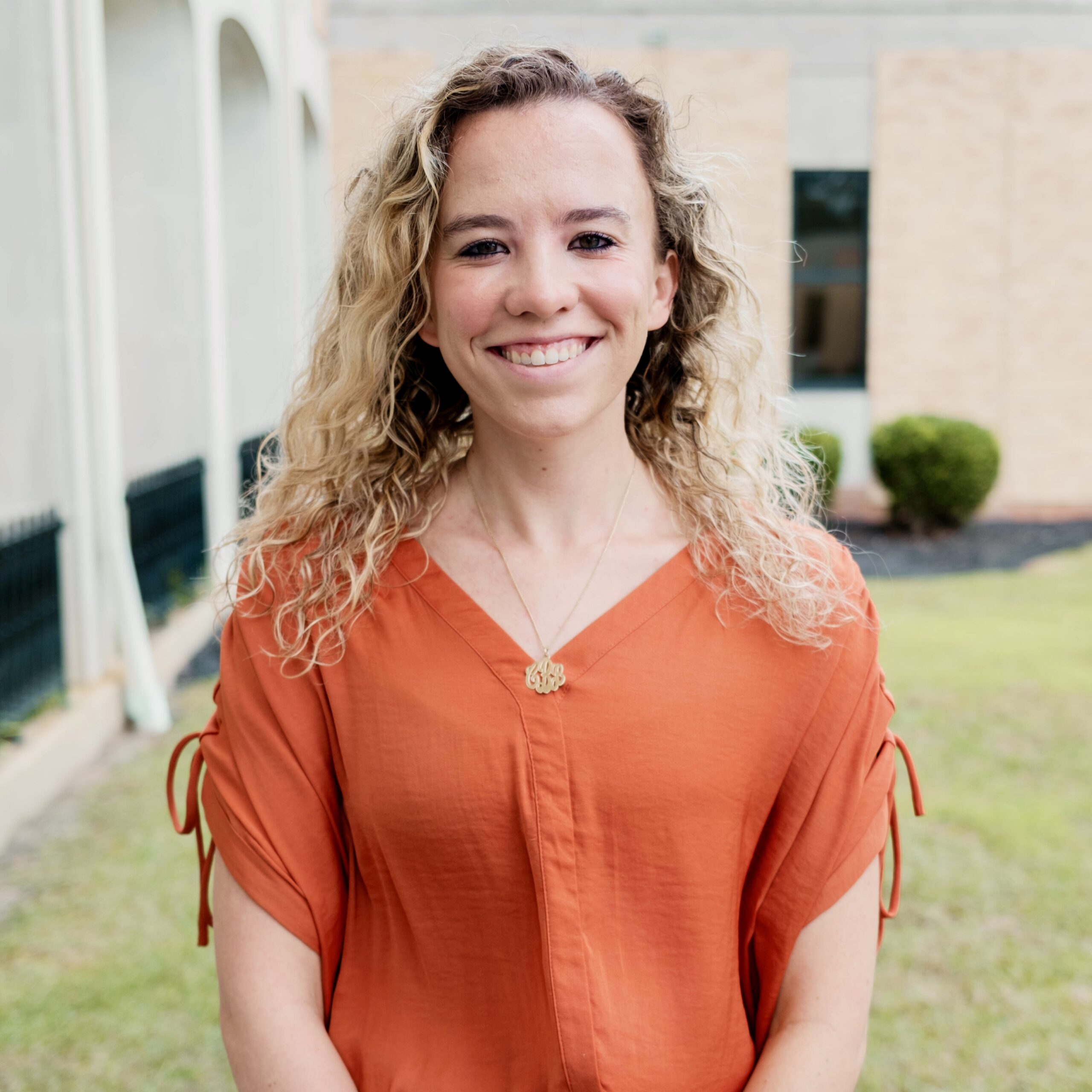
Caroline Bowers is the social media and content manager at the University of Mobile. She earned her Bachelor of Arts in media studies from Auburn University in 2023 and her Master of Business Administration from Troy University in 2025. With experience in digital marketing and social media management, she is passionate about creating meaningful content. Outside of work, she enjoys hiking with her dog, listening to music and spending time with family and friends.